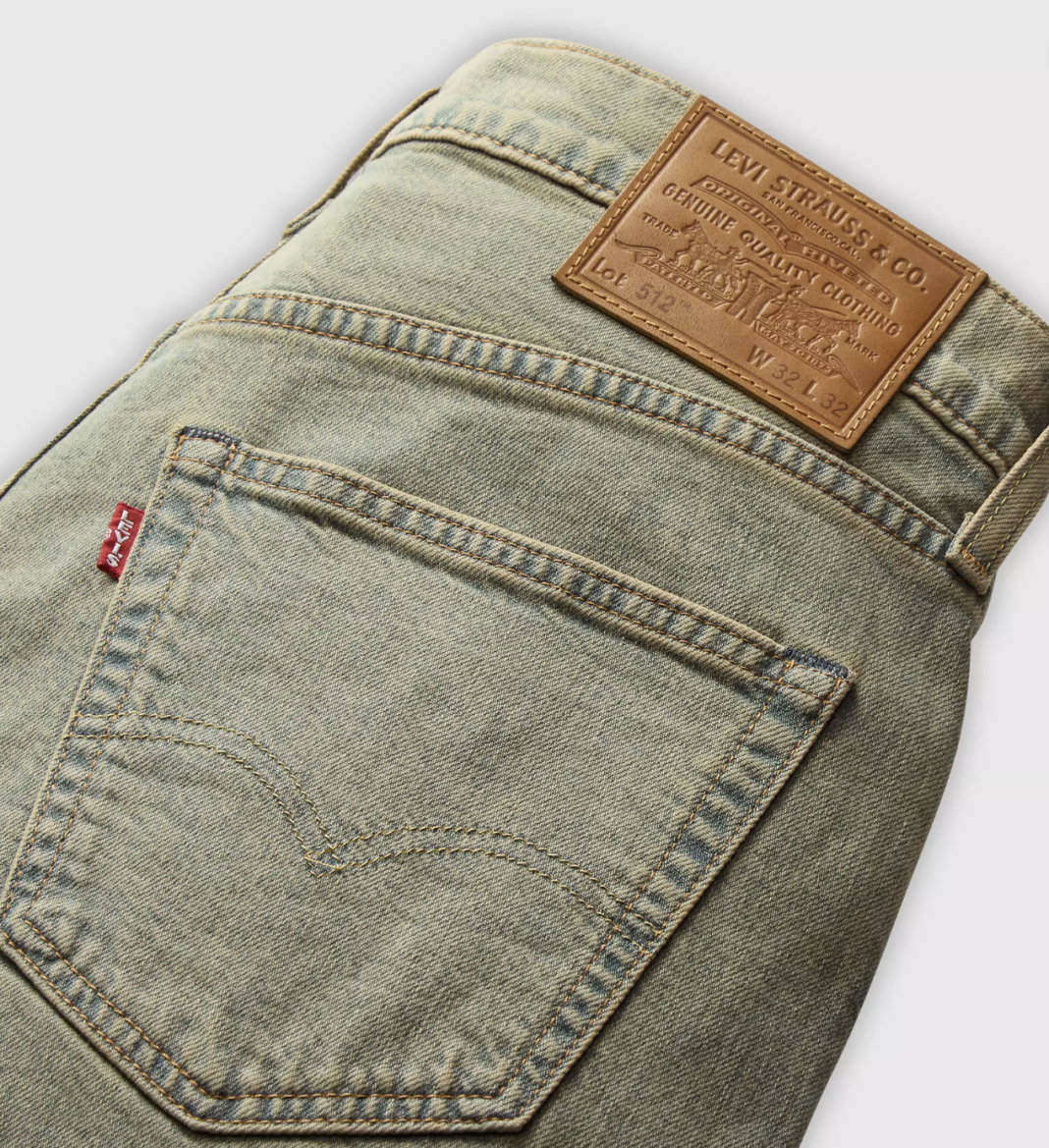
Levi’s 502, 511 and 512 sit next to each other on the product grid, but they’re drafted for different bodies and different outcomes. The changes look subtle on a model shot, yet the underlying patterns tell a more precise story. The rise shifts, the top block opens or narrows, the taper angle changes, and the leg opening adjusts just enough to alter how the jeans break over your shoes.
Most people assume these fits fall on a single slim-to-tapered continuum. In reality, each one uses its own proportions through the waist, seat and thigh, and those proportions decide whether the jean feels balanced or restrictive once you’re actually moving in them. Fabric weight and stretch can soften the edges, but the base pattern still determines how the fit behaves after a few hours of wear.
This guide focuses on those structural differences. We start with the top block—where real fit happens—then move through the taper, knee width and leg opening to show how each model works with different builds and footwear. The goal is to match the pattern to your proportions rather than relying on the number printed on the tag.
At-a-Glance Fit Comparison: 502 vs 511 vs 512
This table summarizes the structural differences. Measurements vary by wash and factory, so consider this a relative comparison rather than exact numerical values.
Fit Families: Regular Taper vs Slim Straight vs Slim Taper
Levi’s 502: Regular Taper
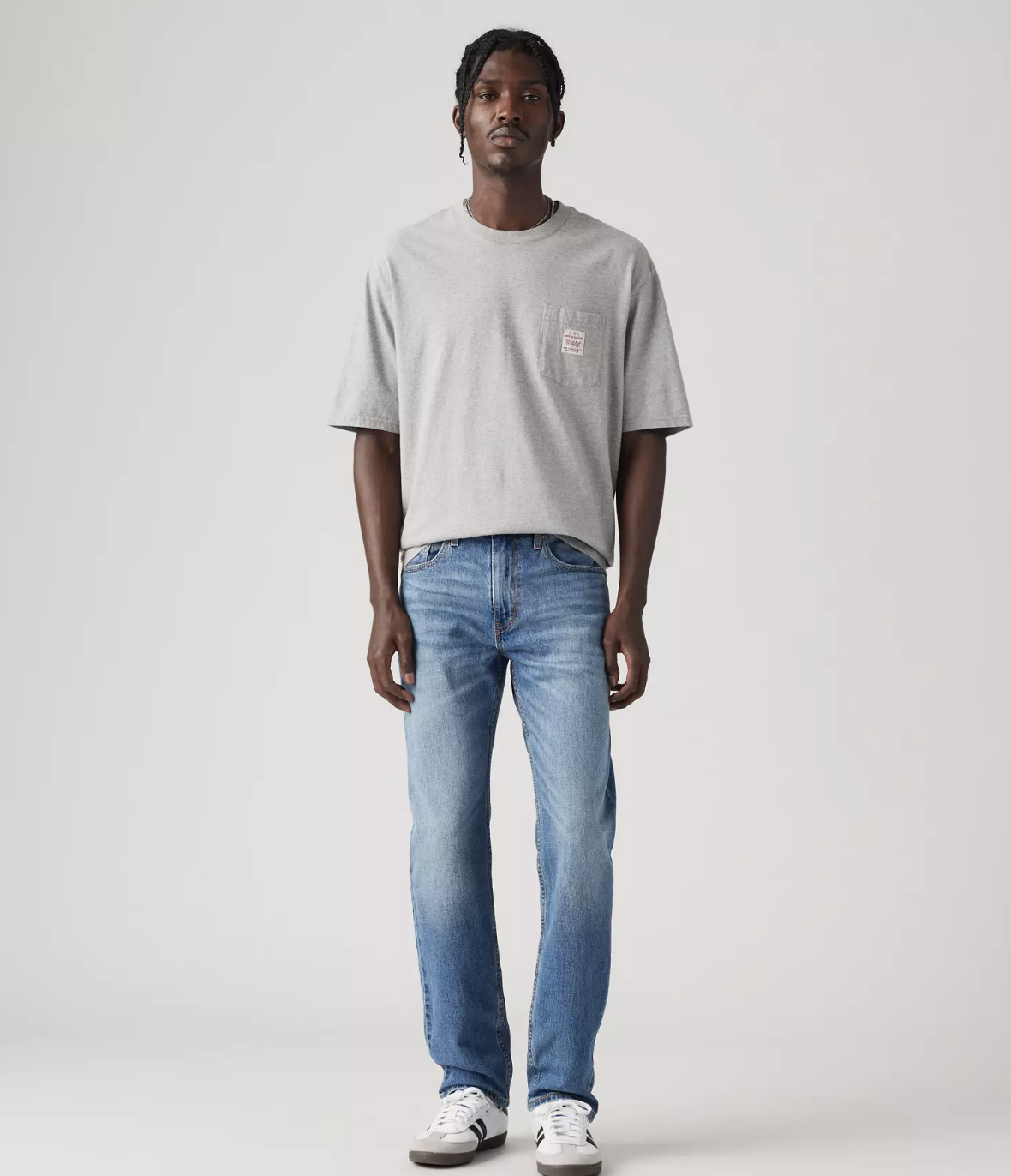
The 502 is built for men who want taper at the ankle without a slim top block. It uses a mid rise and provides more thigh room than either the 511 or 512. The leg narrows below the knee but does not create a sharp taper profile.
Levi’s 511: Slim Straight
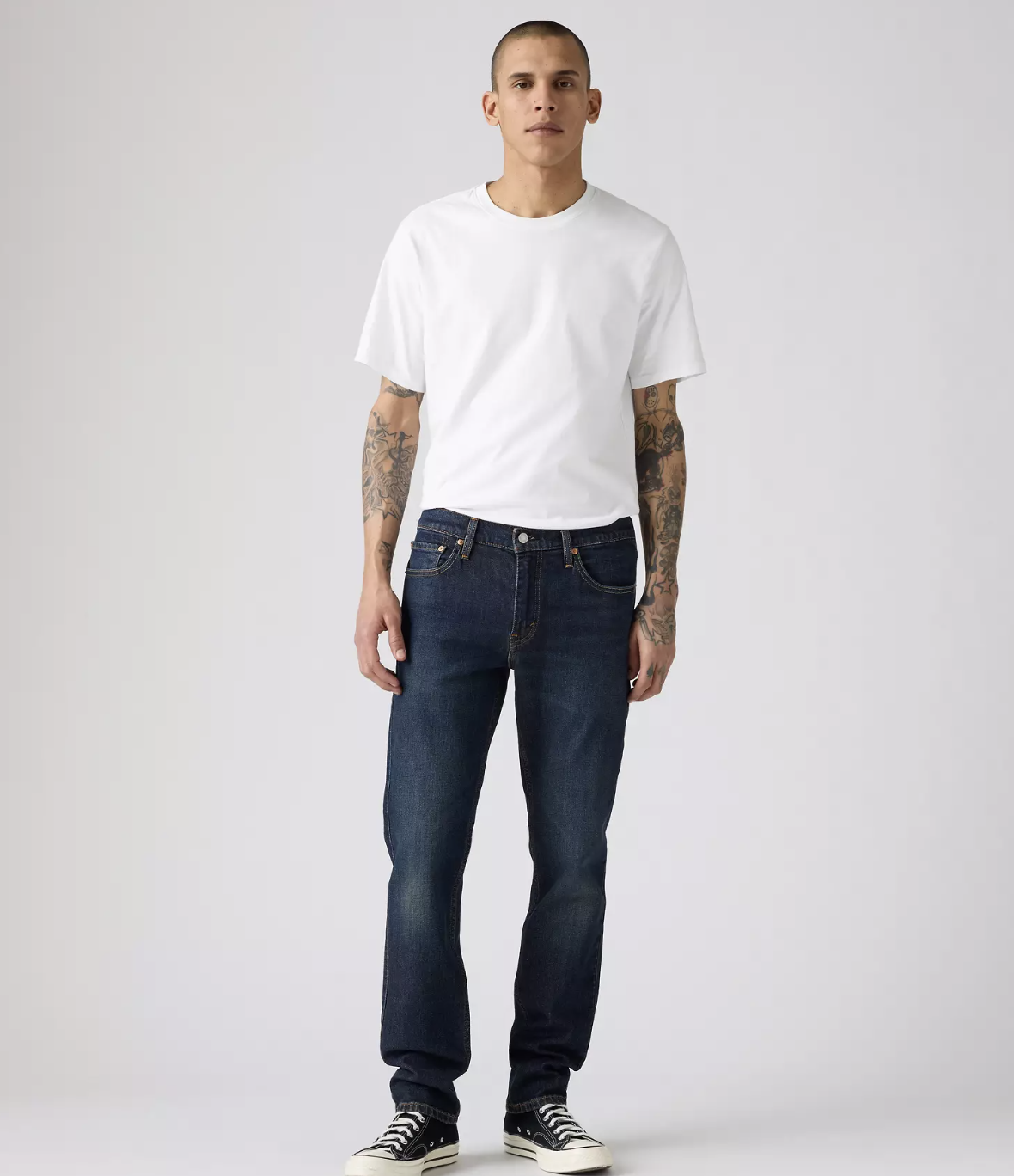
The 511 is a slim fit with a straight leg. It trims the seat and thigh more than the 502 and maintains a consistent width from the knee to the hem. It is not tapered, so the ankle remains relatively open compared with the 512.
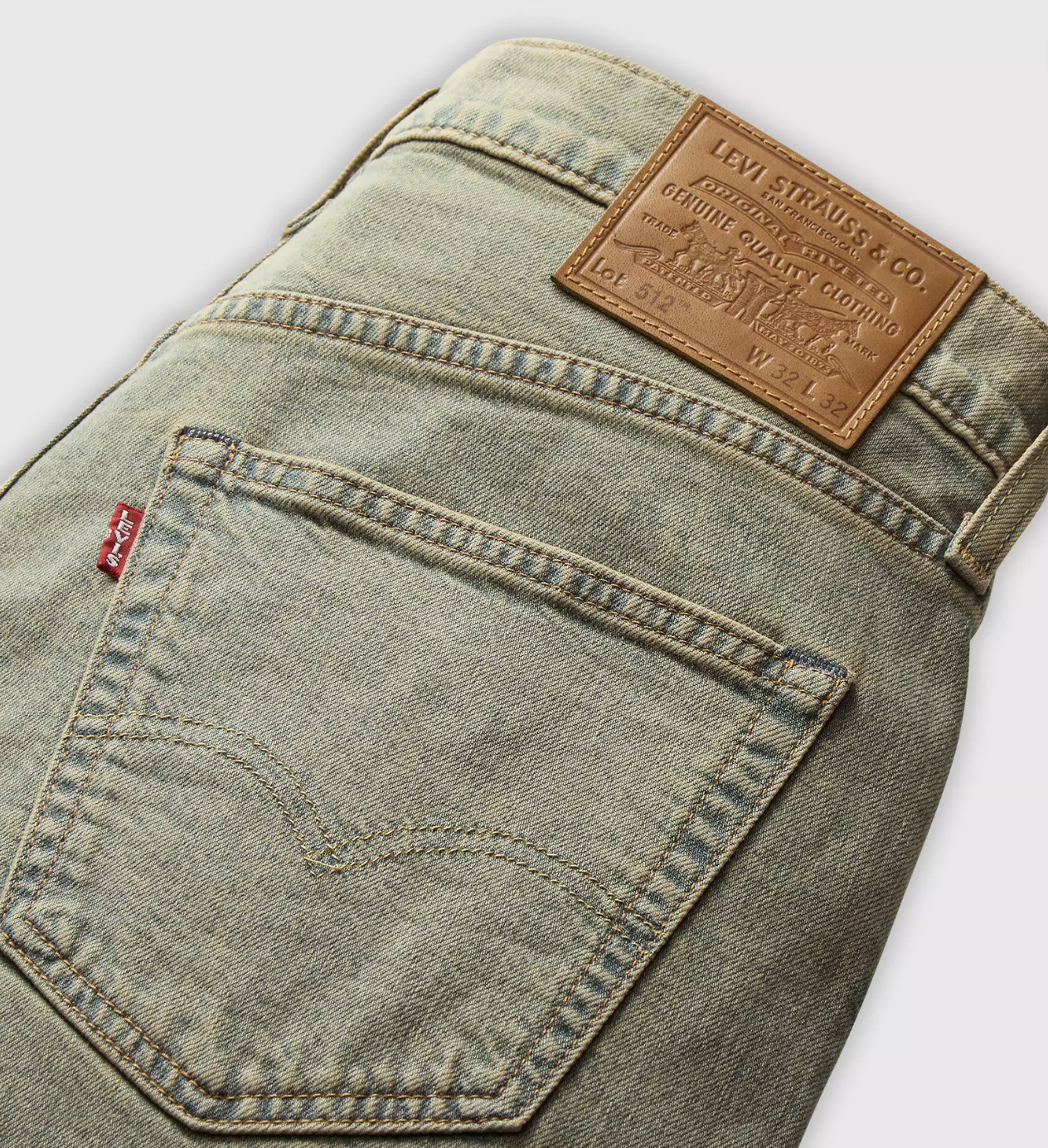
Levi’s 512: Slim Taper
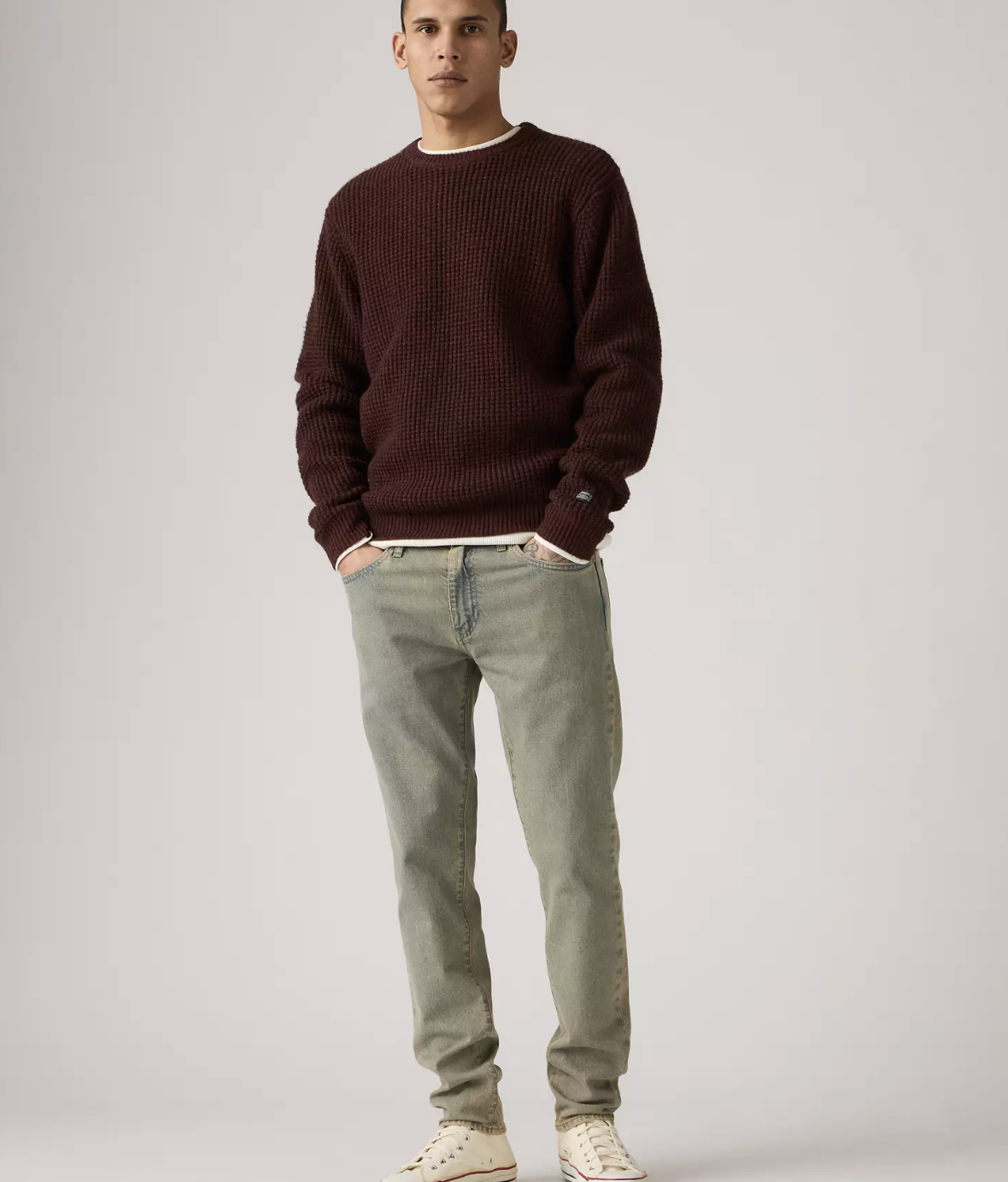
The 512 uses a slim top block similar to the 511 but adds a pronounced taper below the knee. It has the narrowest ankle opening of the three and produces the most defined taper silhouette.
Top-Block Comparison: Waist, Rise, Seat and Thigh
The top block determines whether a pair of jeans actually fits. All three models share a “below the waist” rise, but the rise height and thigh width differ enough to change comfort and mobility.
502 Top Block

- Rise: mid rise that stays stable when seated.
- Seat and thigh: regular; offers the most room of the three.
- Waist position: below the waist, but not low.
This is the easiest fit for men with larger thighs who still want a taper.
511 Top Block
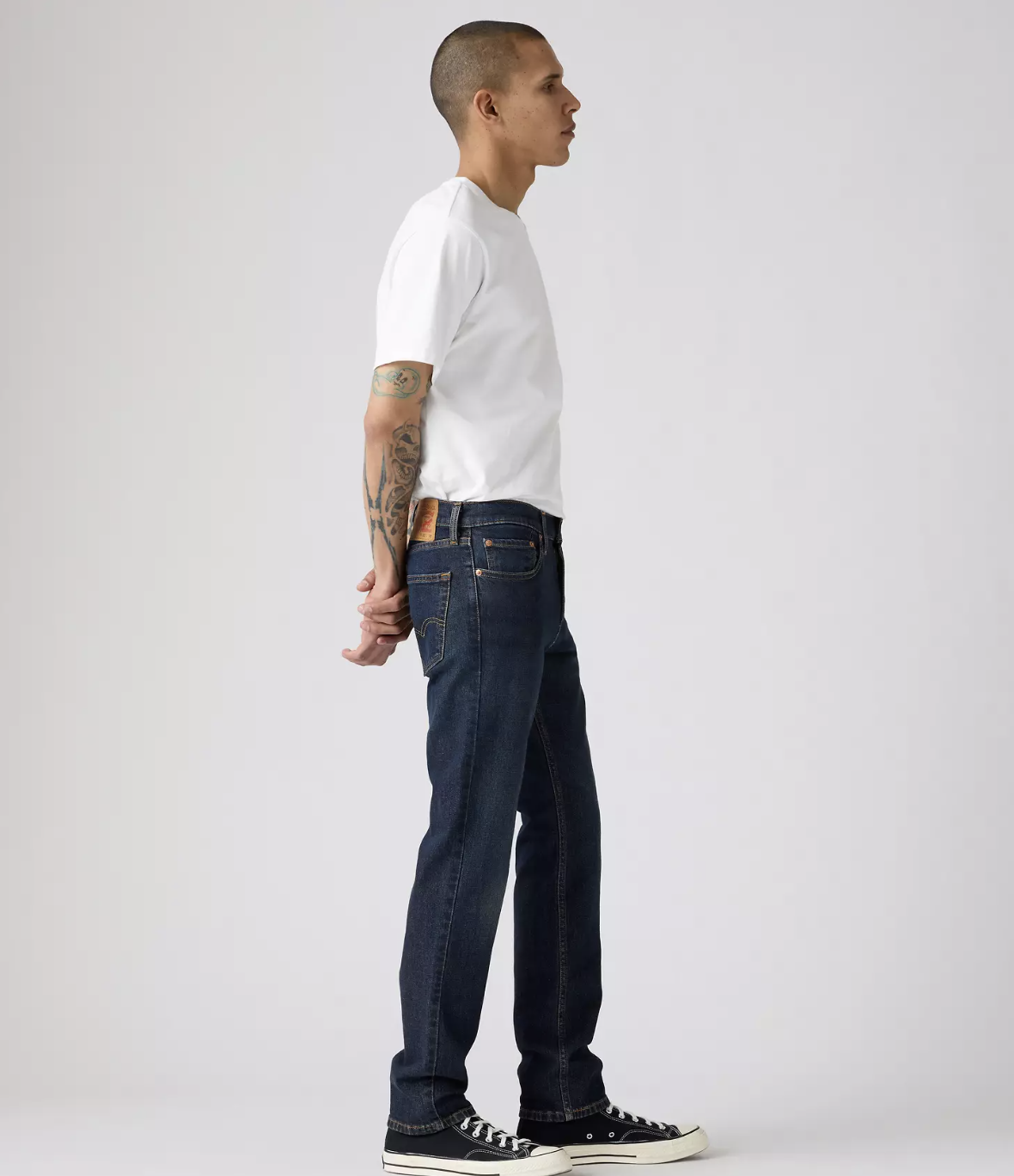
- Rise: low–mid rise; sits lower than the 502.
- Seat and thigh: slim; closest of the three.
- Waist position: clearly below the waist.
The fit depends heavily on thigh and seat compatibility. If the top block is too tight, the straight leg cannot compensate.
512 Top Block
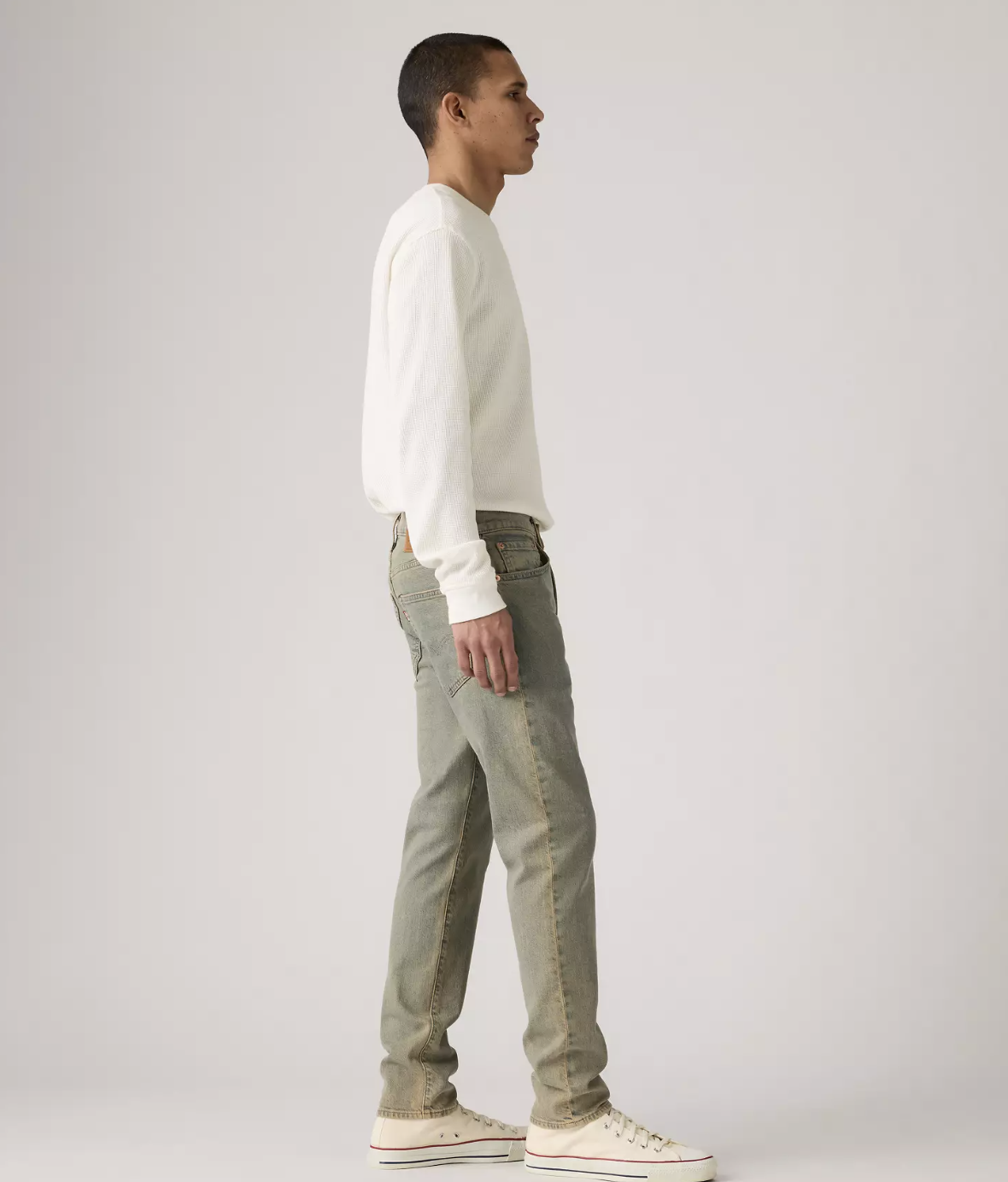
- Rise: low–mid rise similar to 511.
- Seat and thigh: slim with small variations by wash; slightly more forgiveness than 511 in some runs.
- Waist position: below the waist.
The top block must fit correctly before the taper can look balanced.
Leg Architecture: Straight vs Regular Taper vs Slim Taper
The knee-to-hem section is where the three fits separate most clearly.
502 Leg Shape
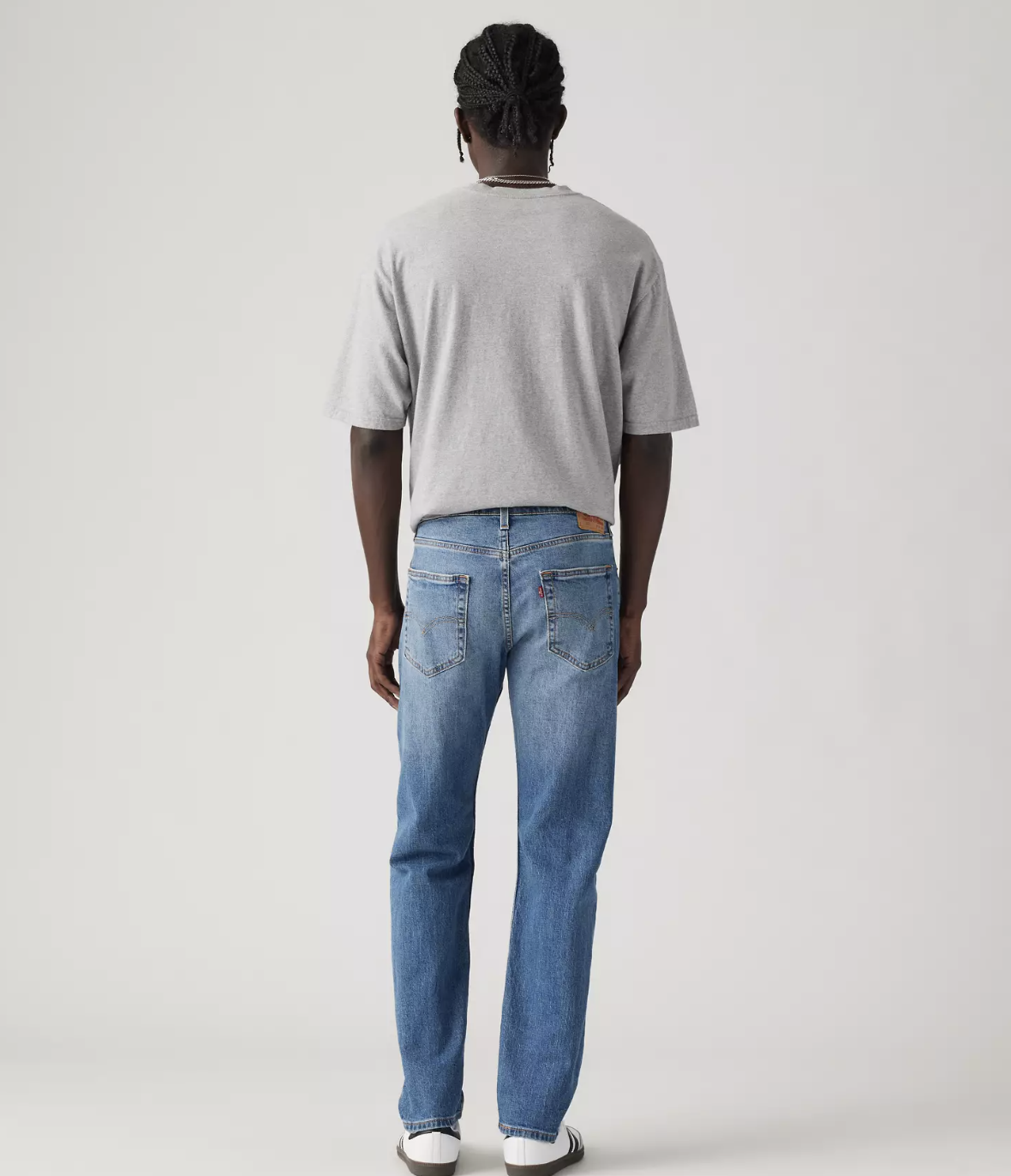
- Regular thigh, moderate taper at knee, narrower hem.
- Opening is narrower than classic straight, wider than slim taper.
- Creates shape without a tight ankle.
511 Leg Shape
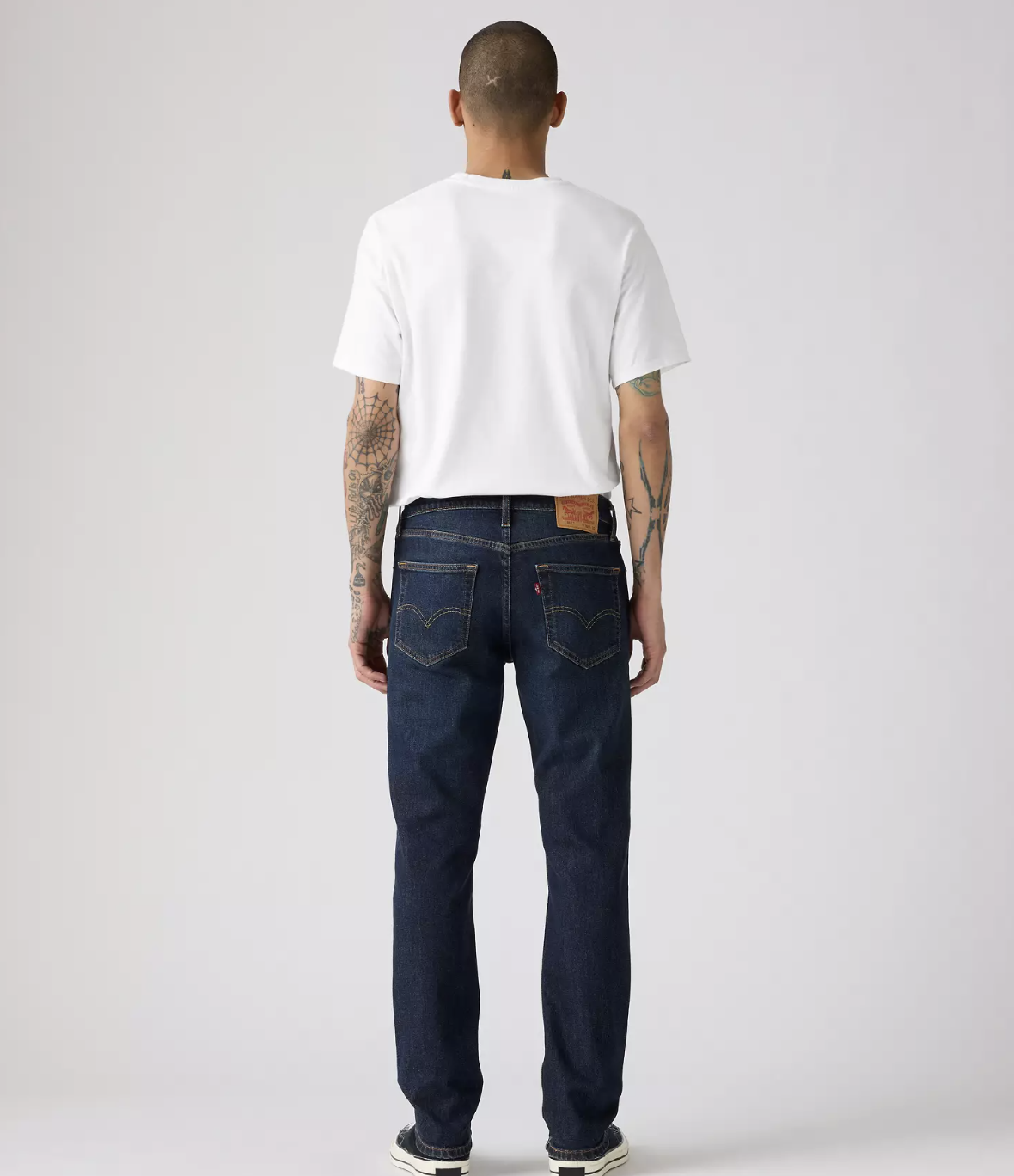
- Slim thigh, straight knee, straight hem.
- No aggressive taper.
- Produces a clean slim line top to bottom.
512 Leg Shape
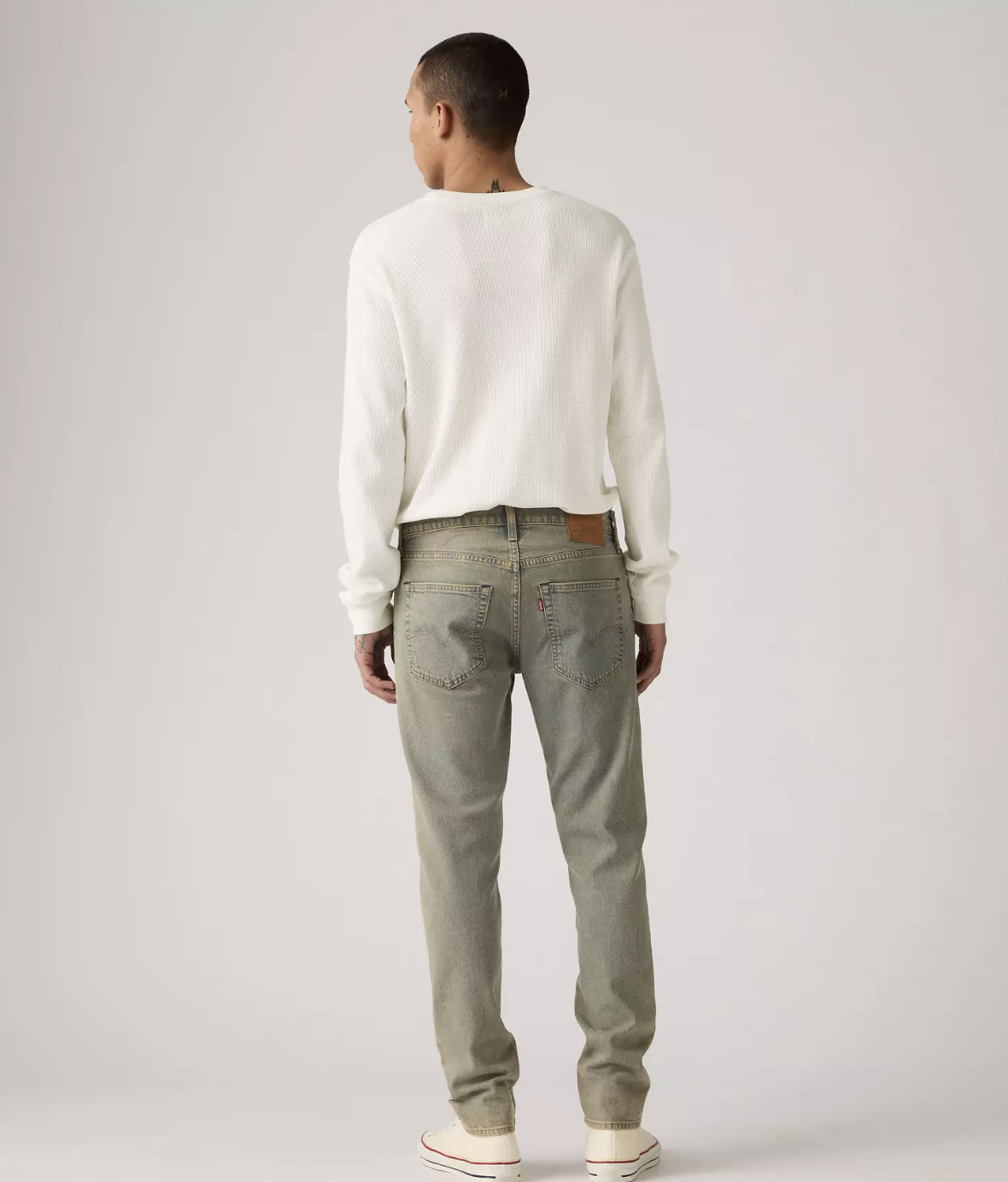
- Slim thigh, narrow knee, narrow hem.
- Strongest taper angle of the three fits.
- Most defined ankle shape and closest lower-leg profile.
Rise & Waist Positioning
All three models sit below the waist, but the functional rise differs in small but noticeable ways.
- 502: mid rise; feels slightly higher and more stable than 511/512.
- 511: low–mid rise; lowest of the three.
- 512: low–mid rise; similar to 511 but the sharper taper creates a cleaner visual line above the shoe.
Rise affects how the jeans meet the torso and how they behave when sitting. Men with longer torsos or narrower hips often prefer the mid rise of the 502.
Fabric, Stretch and Construction Differences
The model number determines the pattern. The fabric determines how that pattern feels and stretches over time.
Fabric Options
- 502: available in rigid and stretch; stretch improves movement in the tapered lower leg.
- 511: widely available in rigid, stretch and advanced stretch; rigid versions hold the cleanest slim line.
- 512: primarily offered in stretch blends due to the tight ankle opening.
Construction Notes
- All three use zipper flies.
- Stitch density varies by wash; higher density improves durability.
- Pocket bag weight influences long-term shape retention.
- Seam tension at the knee is higher in tapered fits, making stretch blends beneficial for the 512.
On-Body Silhouette Comparison
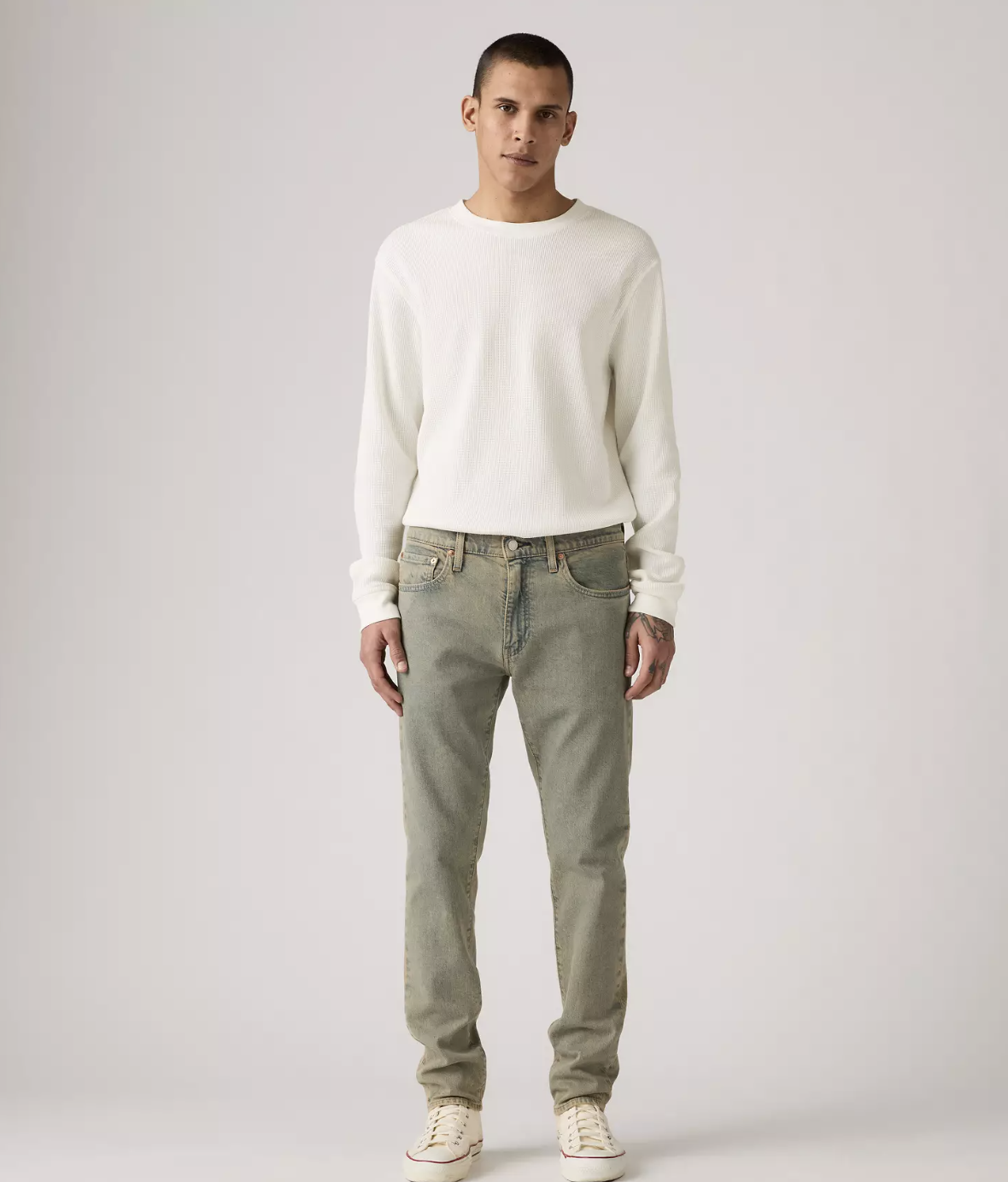
Here’s how each model looks when hemmed correctly and matched to appropriate footwear.
502 On-Body
- Regular top block creates a balanced upper leg.
- Moderate taper produces a shaped but not tight lower leg.
- Works with most casual sneakers and boots.
511 On-Body
- Slim profile from hip to hem.
- No ankle compression; fall is clean and vertical.
- Best with slimmer footwear.
512 On-Body
- Most defined taper angle.
- Narrowest leg opening; hem sits closely over shoes.
- Works best with narrow sneakers and Chelsea boots.
Body-Type Guide: Which Fit Works Best?
For Bigger Thighs / Athletic Legs
- 502: most forgiving; suitable for muscular legs.
- 512: viable when using stretch denim.
- 511: least forgiving through thigh and seat.
For Slim or Average Builds
- 511: cleanest slim silhouette.
- 512: best for taper preference at the ankle.
- 502: suitable when slim top blocks feel restrictive.
Footwear Compatibility
- 502: balanced with both sneakers and boots.
- 511: slimmer sneakers and minimalist boots.
- 512: shoes with low volume and narrow profiles.
Break-In, Stretch and Long-Term Behavior
502 Over Time
- Stretch versions relax moderately in thigh and knee.
- Leg opening remains stable due to moderate taper.
511 Over Time
- Stretch denim softens at waistband, thigh and knee.
- Rigid 511s keep their clean silhouette but require more break-in.
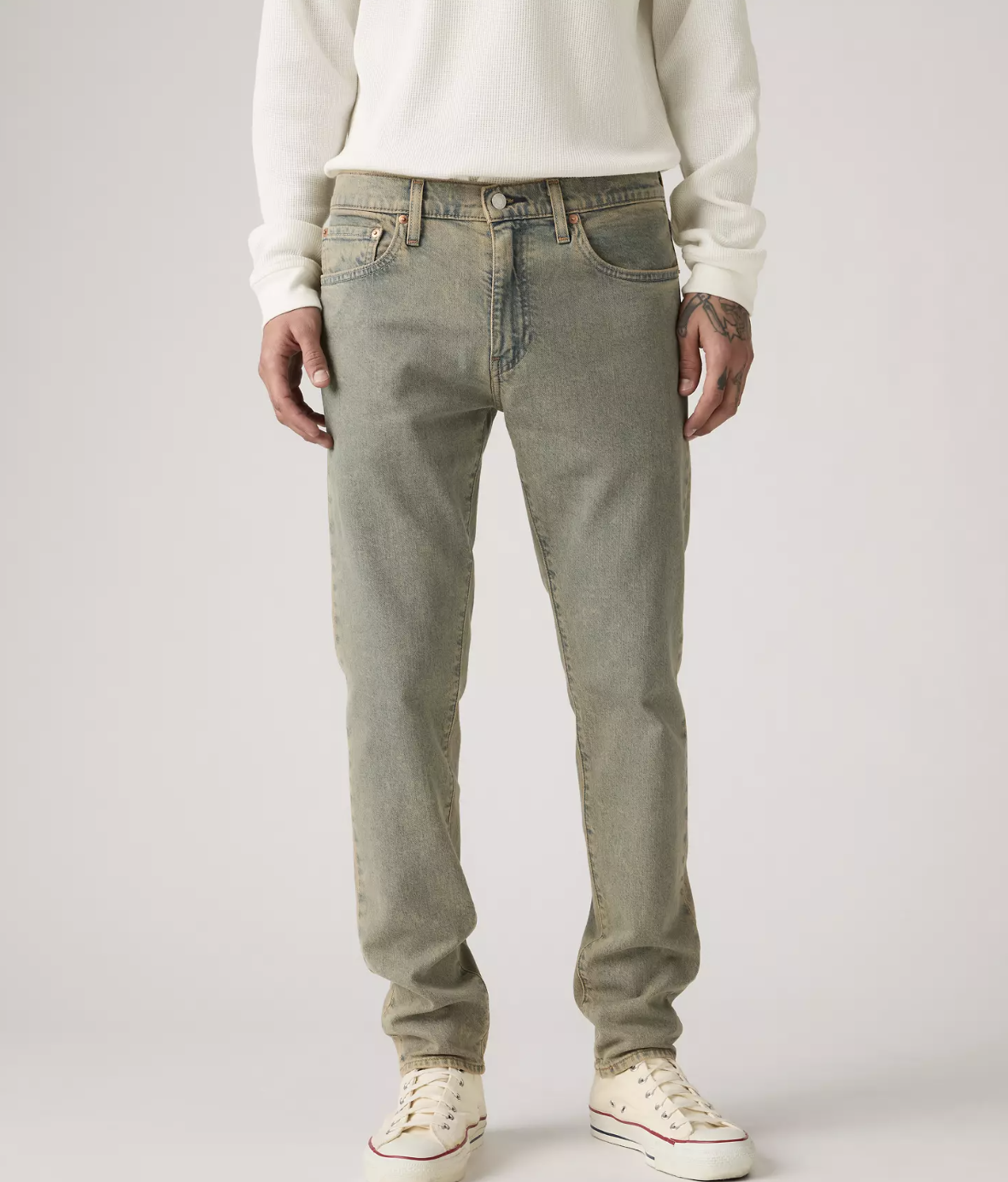
512 Over Time
- The tighter taper makes fabric choice more noticeable.
- Stretch denim prevents knee restriction but loosens faster.
- Leg opening changes are more visible because of the narrow shape.
Real-World Sizing Notes
Levi’s sizing shifts slightly across mills and washes. The most reliable approach is measurement-based.
- Measure a pair of jeans you already like: waist (flat and doubled), thigh at crotch, knee, leg opening, and rise.
- Match your preferred thigh and rise to either 502, 511 or 512 first.
- Select your leg shape (straight or tapered) only after confirming the top block fits cleanly.
Which Should You Buy?
- Choose Levi’s 502 if you want taper with a regular thigh and a versatile ankle shape.
- Choose Levi’s 511 if you want a slim jean without taper and prefer a consistent width from knee to hem.
- Choose Levi’s 512 if you want a narrow ankle and the sharpest taper profile.
Fit the top block first. Then choose the leg shape that works best with your wardrobe and footwear.
Condensed Comparison Table
Related Guides
FAQs
Is Levi’s 502 looser than 511?
Yes. The 502 has more room in the thigh and a higher rise than the 511, even though both sit below the waist.
Is Levi’s 512 tighter than 511?
The top blocks are similar, but the 512 is tighter from the knee down due to its stronger taper.
Which has the narrowest ankle?
The 512 has the narrowest opening, followed by the 511, then the 502.
Which is best for bigger thighs?
The 502 offers the most thigh ease, making it the best choice for larger legs.
Do 502, 511 or 512 shrink?
Non-rigid versions shrink minimally. Rigid denim may shrink slightly on the first wash but stabilizes afterward.
Which is best overall?
Choose the 502 for comfort with taper, the 511 for a slim straight profile and the 512 for the sharpest taper.
